
The Complete Player's Field Guide
Casino Sites Not Registered With GamStop UK 2026: The Straight-Talking Guide
 Available in GB
The UK Gambling Commission spent 2025 rewriting the operating conditions for every domestic online casino. Slot stakes were capped. Affordability checks now bite at the softest of thresholds. This guide explores the offshore alternative: ranked operators, real licence checks, payments, bonuses and honest safety notes.
- Top 8 Ranked Casinos
- Verified Licensing & Payouts
- Honest Bonus Mathematics
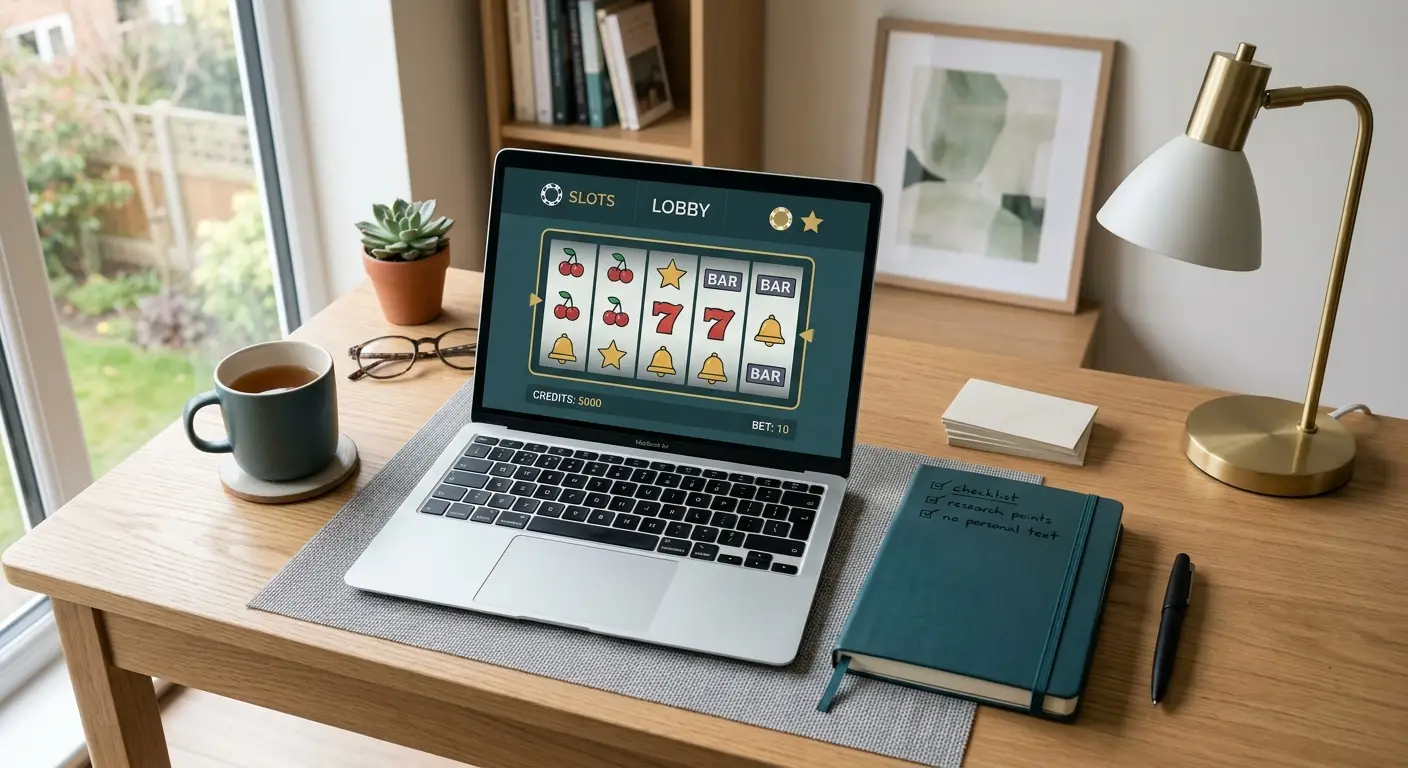
The Offshore Reality at a Glance
A casino site not registered with GamStop is a real-money online casino that holds an international gaming licence — Curaçao, Malta, Anjouan or similar — and sits outside the UK Gambling Commission's regulatory framework. It accepts UK sign-ups without checking the national self-exclusion database, and it operates under its home regulator instead.
- Not for self-excluded players: If you registered with GamStop to keep yourself away from online casinos, an offshore site is not a workaround. It's the road back to the problem you took steps to avoid.
- No UKGC limits: Offshore sites do not enforce the £5 slot cap, they allow bonus buys, and they do not run frictionless affordability checks.
- The Trade-off: You keep the freedom, but you lose the UKGC's dispute-resolution backstop. You are trading protection for flexibility.
What "casino sites not registered with GamStop UK" actually means
Every online casino holding a licence from the UK Gambling Commission has to plug into GamStop. That is not optional. Since March 2020, integration with the national self-exclusion register has been a licence condition.
A casino site not registered with GamStop is the mirror image. It holds a licence somewhere else and does not sit on the UKGC's list. When you register at one, your personal details never touch the GamStop database. If you have previously self-excluded, the offshore casino will still let you sign up. That is the whole architectural point.
The Spelling Confusion
Two phrases get used interchangeably in this corner of the internet: "casinos not registered with GamStop" and "casinos not on GamStop". You will also see "non GameStop casinos" — a spelling mistake confusing the scheme with the American video-game retailer. Different spelling, identical subject.
Why UK players in 2026 keep looking beyond GamStop
The obvious answer is the one nobody in the affiliate industry wants to lead with: some readers here are self-excluded and are looking for a way around a decision they made about their own gambling. The rest of the traffic is a mix of frustrated UKGC customers and slot enthusiasts chasing product that the UK market no longer stocks.
Stake Caps
Statutory slot stake limits of £5 for players aged 25 and over, and £2 for those aged 18 to 24, landed in April and May 2025.
Financial Checks
Mandatory financial risk checks kicked in at a £150 monthly loss threshold from February 2025.
Bonus Restrictions
A ban on mixed-product promotions and a hard 10x wagering cap on bonus funds came in on 19 January 2026.
Meanwhile GamStop keeps growing. By the end of 2025, 562,000 people had registered since the scheme launched. In the first half of 2026, sign-ups rose 16% year on year. That is a lot of people permanently blocked from every UKGC casino for at least six months, sometimes five years.
Are non-GamStop casinos legal for UK residents in 2026?
Short answer: it is legal for the player, and restricted for the operator, and the distinction matters. Under Section 33 of the Gambling Act 2005, it is a criminal offence to provide gambling facilities to persons in Great Britain without a Gambling Commission licence. Both provisions target the business, not the customer.
An adult in Manchester who deposits at a Curaçao-licensed casino is not committing an offence under the Gambling Act. However, that does not make it risk-free. The trade-offs are real and worth spelling out.

What you lose
- UK Dispute Resolution: The IBAS and ADR routes that UKGC sites offer do not exist here.
- The £5 Slot Cap: Offshore sites regularly allow £100+ per spin. Freedom for some, exposure for others.
- Affordability Checks: The UKGC infrastructure designed to prevent harmful spending is absent.
What you keep
- Tax Exemption: Gambling winnings are not taxable income for UK residents. HMRC does not distinguish between UKGC and offshore winnings.
- KYC Obligations: Most offshore operators still require identity verification before withdrawals above modest thresholds.
Top 8 British Online Casinos Not on GamStop in 2026
The eight sites below are the ones UK affiliates and player forums cited most often through the first half of 2026. All accept UK players, all take GBP or crypto, none participate in GamStop, and all publish a verifiable licence.

1. MyStake — Best Overall
The library reportedly runs to over 4,000 games, and the site pairs that with a fully integrated sportsbook and esports book. The welcome package pairs a 150% deposit match with 200 free spins. Wagering sits at the industry-typical range.
2. Goldenbet — The "UK-first" Layout
Feels closest to a familiar British bookie — racing and football front and centre. Licensed in Curaçao and accepts UK customers in pounds. The welcome runs to 300% up to £1,500 across three deposits.
3. DonBet — Crypto Payouts & Evolution Floor
Powered by Evolution Gaming. DonBet has built its position on crypto rails and a live-table catalogue that competes with mid-tier UKGC operators. Deposits and cashouts through crypto typically clear in under an hour.
4. Rolletto — Instant Bitcoin & Multi-Vertical
Six thousand games paired with instant Bitcoin payouts. Rolletto's sports-plus-esports-plus-virtuals setup under one licence is genuinely unusual. Clean interface and solid payment options.
5. Freshbet — Best Welcome Value
A staged 250% package is the draw. The casino side reportedly runs at a published average RTP of 96%. Live coverage is Evolution-primary with Pragmatic Live filling the gaps.
6. Velobet — Mid-weight Welcome, Lighter Wagering
Occupies the sensible middle ground: a 150% + 70 free spins welcome, moderate wagering, a clean lobby, and a payout process that behaves.
7. ZizoBet — Deepest Live-Table Coverage
Leads with 247 live tables, ahead of most competitors. The welcome sits at 200% match with comprehensive cryptocurrency payment infrastructure.
8. Wildies — Aggressive New-Site Welcome
The newest name on this shortlist. 400% up to £3,500 plus 150 free spins. Newer offshore sites almost always front-load their offers heavily; the wagering is correspondingly steep.
Comparison table: British casinos not on GamStop 2026
The numbers below reflect published headline offers at the time of writing. Terms change; always verify on the operator page before depositing.
| Operator | Welcome offer (headline) | Fastest payout | Min deposit | Distinctive strength |
|---|---|---|---|---|
| MyStake | 300% up to £2,000 + 200 FS | Under 24 h | £10 | Largest 4,000-title library and integrated sportsbook |
| JackBit | 100% up to 1 BTC + rakeback | Under 1 h | £10 equiv. | Crypto-first cashier and fastest recorded payouts |
| SpinDog | 200% up to £1,500 + 100 FS | 1–3 hours | £10 | Cashout speed under all payment methods |
| Bananzia | 250% up to £2,500 + 250 FS | Under 24 h | £20 | High withdrawal ceilings for larger accounts |
| DonBet | 150% up to £800 + 150 FS | Under 24 h | £10 | Full Evolution live catalogue and sportsbook |
| OdinFortune | 200% up to £1,000 + 250 FS | Under 24 h | £10 | Polished 2026 launch with modern UX |
| Rollino | 150% up to £1,500 + 150 FS | Under 24 h | £10 | Modern mobile-first interface |
| Freshbet | 350% up to £1,500 + 200 FS | Under 24 h | £10 | Largest headline welcome package |
Licensing landscape: which offshore regulators actually matter in 2026
The footer badge tells you who's supposed to be watching. In practice, some of these regulators enforce rules that mean something, and others exist mostly to sell the licence.

Curaçao (CGA)
The reformed regulator, operating under the LOK (National Ordinance on Games of Chance) since Dec 2024. Direct CGA licences now cover operations. Physical presence requirements took effect on 1 January 2026. A 2026 CGA licence carries much more weight than a 2022 sub-licence.
Malta Gaming Authority (MGA)
The tier-one European licence. MGA-licensed operators face genuine compliance overhead and strict AML checks. However, very few MGA-licensed operators accept UK players outside of a UKGC licence.
Anjouan & Kahnawake
Anjouan has grown quickly as a low-cost, fast-turnaround licence. It is functional but has weaker enforcement. Kahnawake (Canada) is a mature regulator with a functional complaints portal, though less common in the UK market today.
Games and providers: slots, live casino, jackpots not on GamStop
The game catalogue at a well-run non-GamStop casino is broadly the same as at a UKGC site, with one important difference. UKGC sites no longer offer certain slot features that regulators judged to be high-risk. Autoplay is gone. Bonus buy is gone. Turbo-spin is gone.
At an offshore site, most of those features are still there. Autoplay works. Bonus buys let you skip straight to the free-spin round of a volatile slot for a multiple of your base stake. The £5 stake cap does not apply.
Live casino coverage is where the sector split is starkest. Evolution operates everywhere; Pragmatic Live and Playtech Live are more common at bigger operators. Non-GamStop tables often allow bet sizes above the £250-£500 caps that some UK-facing platforms apply. A £5,000 blackjack hand is not exotic on the offshore live floor.
Payments explained: Boku, PayPal, crypto, cards, and why GBP still matters
Payment infrastructure is where the difference between a serviceable non-GamStop casino and a painful one becomes obvious.
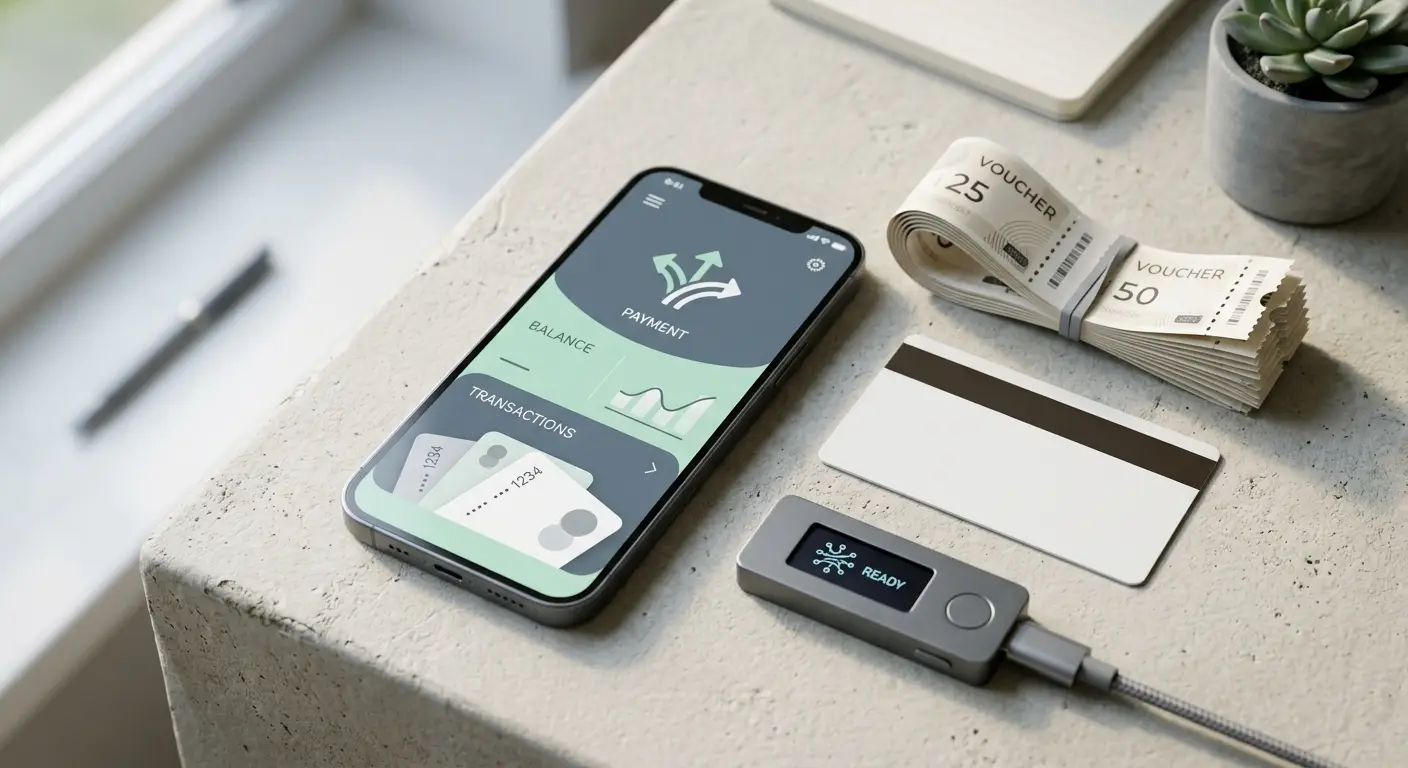
| Method | Deposit Speed | Withdrawal Speed | Typical Limits | Notes |
|---|---|---|---|---|
| Debit/Credit Card | Instant | 1–3 working days | £10–£5,000 | Some UK bank declines. Credit allowed. |
| Skrill/Neteller | Instant | 12–24 hours (verified) | £10–£10,000 | Segment standard e-wallets. |
| Bitcoin/USDT | Instant | Under 60 minutes | Operator-set | Fastest overall. Stablecoins remove price risk. |
| Bank Transfer | 1–2 days | 3–5 working days | £50–£25,000 | For larger cashouts. |
| PayPal / Boku | Instant | Not available | — | Rarely genuinely offered. Requires UKGC receiver. |
The PayPal and Boku Reality
PayPal restricts gambling merchant accounts to regulators it has approved (like UKGC). A genuine PayPal casino outside that scheme is close to non-existent. Boku and Pay-by-mobile are similarly restricted by UK mobile carriers. If a site advertises these, verify at the cashier first. What sites offer instead is Apple/Google Pay.
Bonuses and wagering — the maths behind the headline number
Non-GamStop welcome offers look big on the surface because they can be. Without the 10x UKGC wagering cap, an offshore site can headline "500% up to £5,000" without regulatory pushback. But casinos are not charities. The "gift" language is marketing dress.
The four numbers to check before you deposit
- Wagering multiplier: 30x on deposit is fair. 40x on deposit-plus-bonus is normal. 60x is punitive. Check what the multiplier applies to.
- Maximum bet during wagering: Most offshore casinos cap your maximum stake at £5 to £10 per spin while a bonus is active. Exceed the cap and the bonus gets voided.
- Game weighting: Slots usually count 100%. Table games often count 10-20%, meaning a 40x requirement becomes 400x if you play roulette.
- Maximum cashout cap: This is the clause that catches most players out. A "300% bonus" often carries a maximum cashout cap on bonus-derived winnings of 5x or 10x the deposit.
Mobile play and New casinos
Native apps are rare in this segment because Apple and Google restrict real-money gambling apps to jurisdictions where the operator holds a local licence. Instead, most 2026 non-GamStop sites are built mobile-first, with progressive web apps (PWAs) that install to the home screen and behave like native software once launched.
New British casinos not on GamStop launched in 2026
New sites offer aggressive welcome bonuses to buy market share and the newest slot titles arriving on day one. The downside is unproven withdrawal reliability. Treat new operators as tier-two options for smaller-balance play until they build a 6-month track record.
Building a safer session at a non-GamStop site
If GamStop is part of your safety plan, no offshore operator can enforce it for you. Every operator in this ranking offers voluntary responsible gambling tools — self-imposed deposit limits, session reminders, time-outs, self-exclusion for their site only. But none of that talks to GamStop's database.
Tools that work offshore
- Gamban & BetBlocker: Software blockers that cover offshore sites GamStop cannot reach.
- Bank-level gambling blocks: Monzo, Starling, Barclays, Lloyds, HSBC all let you toggle a gambling block on your card that refuses gambling-merchant transactions.
- Operator-level limits: Set a deposit limit at the casino itself immediately upon registration.
Getting Support
- GamCare: Runs the National Gambling Helpline on 0808 8020 133. Free, confidential, 24 hours a day.
- BeGambleAware: Hosts self-assessment tools and treatment finders.
Common questions
Frequently Asked Questions
Are casinos not registered with GamStop legal for UK players?
Yes. Accessing an internationally licensed casino from the UK is not illegal for the individual player. The UK Gambling Commission regulates operators who market to Britain. What you lose is the UKGC's consumer protection framework and dispute resolution routes.
Can I play at casinos not on GamStop if I've self-excluded?
Technically yes. GamStop's block does not extend to operators licensed outside the UK. However, if you self-excluded because your gambling was becoming harmful, opening an offshore account is precisely the outcome the exclusion was meant to prevent.
What is the fastest way to withdraw from a casino not registered with GamStop?
Cryptocurrency withdrawals typically clear within one to twenty-four hours at reputable operators. E-wallet withdrawals land the same day if processed during business hours. Card withdrawals take one to three business days. First-time cashouts always take longer for KYC.
Do non-GamStop casinos accept PayPal or Boku?
Rarely. PayPal restricts gambling merchants to regulated markets, so genuine offshore PayPal support is uncommon. Boku is built for UKGC-licensed operators. Most "pay by mobile" advertising at offshore sites means Apple/Google Pay or e-wallet deposits.
Do UK banks block deposits to non-GamStop casinos?
Some do, some don't. Monzo, Starling, and Barclays have all applied gambling blocks on offshore transactions. If a deposit fails, check your app's gambling settings first. Crypto rails bypass this entirely.
The safer summary
The offshore market delivers higher stake ceilings, larger welcome offers, faster withdrawals, wider payment options and a game catalogue the UKGC caps have started to shrink onshore. It gives up UKGC dispute resolution, the £5 slot cap, affordability checks and GamStop's enforcement backstop.
Verify the licence. Read the terms. Start with a small deposit. Set your own limits. If you registered with GamStop for a reason, honour that reason and use software blockers to extend your protection offshore.